


After delivering reports of unimpeachable value to our community, I figured: why not spend some of my goodwill and court a little controversy? 🤣🤣🤣
Truthfully, the question of whether and how to use tools like LLMs (large language models like ChatGPT or Claude by Anthropic) for our consulting work is still a big source of debate in our community. This newsletter is for all independent consultants, but it is specifically tailored to those serving mission-driven or social impact organizations like nonprofits, charities, and socially-conscious businesses. Folks in that world are wrestling with a wide range of concerns when it comes to LLMs, from authorship to environmental impact to data security. I don’t think we’ll settle any of those debates today or anytime soon, but I wanted to share some thoughts about it and invite further discussion.
I have addressed AI a few times over the course of this newsletter. (I’ll be using AI to refer to consumer LLMs from here.) When I informally asked our community if they use AI and how, many independent consultants reported they do, but they also wondered if they should tell their clients they do. Robin Engle said she has an AI-disclosure and policy document for new client engagements so everything is transparent and above-board. Other folks mused about whether they were obligated to tell clients if they use AI, as long as their data was secure. “Would you tell your client that you use a Mac or a PC,” one person asked.
It does seem to me that AI tools are slowly moving into just another IT or Cybersecurity realm to assess. I know there are some organizations and consultants who have an ethical or principled position about using AI, but in my experience, that group is shrinking as these tools become more commonplace. Whether that’s good or bad is a separate question. My observation from experience would be that most organizations accept that these tools will be used, and their primary concern at the moment is ensuring their data security policies are being met.
That’s the state of play as I see it.
Personally, I do use some AI tools for certain projects or tasks. The main one is building spreadsheet models. I love a good Excel model, and I have to build them frequently for my consulting engagements. To toot my own horn, I rate my skills highly for thinking through the logic and end goal of an Excel model. I know what a model should accomplish and what variables should be used and how.
The thing I find tedious is the formatting. When I make a model for myself, it’s just numbers and text, with no borders or colors. I am not a designer by nature, and my wardrobe is mostly just black or blue because I have no sense of style. Good design is really important, though, for a model that will be used by numerous people. There need to be visual cues, guides, and features to help someone learn how to use a model they didn’t build themselves
Beyond that, scenario modeling can be a real chore. Let’s say we’re assessing how different fundraising outcomes will affect an organization’s growth plans in a few years. It’s valuable to put a few options side by side – it’s also a pain to make them! That’s another place where an AI tool comes in handy to save time creating different scenarios from a base model I have created.
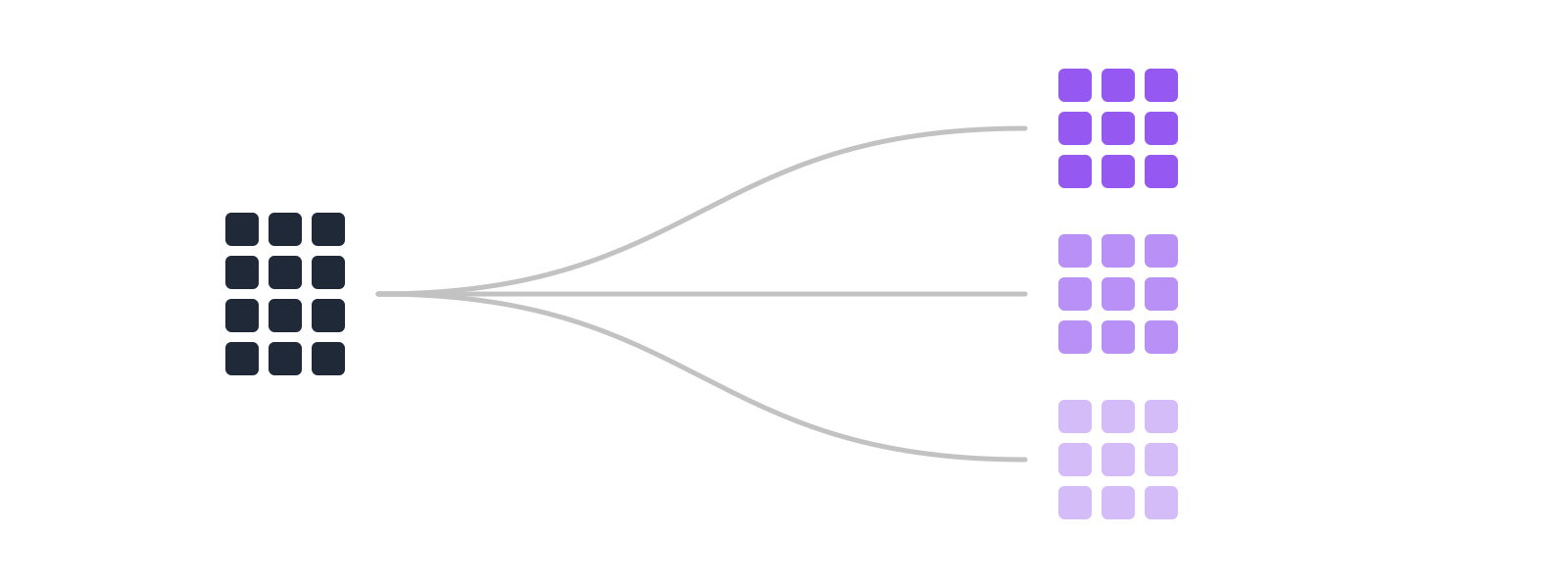
For me, this is an acceptable use of AI. Authorship isn’t as much of a concern, since it’s really just iterating from a base I created. My clients haven’t minded this use, either. (I am setting aside the energy, water, and data center issues, to be clear!)
About a year ago, I wrote about AI-assisted writing, but writing is a place I’ve moved away from using AI tools for two big reasons.
Reason #1: I don’t like how it affects my thinking. Writing something out (ideally longhand, but at least typing it myself) is how I think. The first idea I have when I start writing something is never actually the valuable idea. I get to that valuable idea through the writing process. In the past, when I used AI to assist with writing, I would give it an outline or a set of notes and ask it to write a first draft. My experience was that the first draft was just a rehash of what I’d already written. If what I had already written was almost a finished product, that was sometimes workable. But it almost never was, so the AI gave me back something that seemed polished but was mediocre on the ideas front.

Reason #2: Despite some effort, I can’t get AI assistants to sound like me – they always sound like AI. I’ve written style guides and put instructions into the AI memory, but no matter what I try, it always sounds the same. Perhaps a day will come when we’re all so habituated to AI writing, or where it’s blended so much with original authorship, that we can’t tell the difference. But for me, today, I think I can usually spot AI writing. There are a few things I really hate, but I won’t enumerate them here. You probably have your own list of pet peeves!
That said, I will sometimes use AI to read a draft I think is close to final to make sure I haven’t left anything out, and to provide a final copyedit. It’s always better when a person does this, but I have a lot I’m trying to do and, well, I’m a solo consultant! So you take the help you can get.
Ok, back to a big ethical question around environmental impacts of AI. I got my start in this world exactly 20 years ago, when I graduated from Yale and started learning how to do environmental campaigning and organizing with Green Corps. My very first campaign, I lived in Morgantown, West Virginia from September-December 2006 to work on mercury pollution from a chemical plant on the Ohio River. I spent 13 years after that within nonprofits and largely working on other environmental issues. So: I care a lot about them, and I’ve spent a good amount of time thinking about them!
Most of my experience has been treating environmental issues as systemic or political problems, not personal ones. I am a vegetarian for environmental reasons, I compost, blah blah blah, and I think those choices matter, or else I wouldn’t do them. But I also believe the only way to solve the big problems is to engage in them systemically or politically. Me deciding not to use an AI product has zero impact on whether a data center gets built. Everyone reading this newsletter and everyone we know not using an AI product also has zero impact. Massive banks, financial institutions, and trillion-dollar corporations are making those decisions, aided and abetted by the US government and spurred by international power competition.
We can do something, but I think it has to be done through our political process. That’s dispiriting, I know, because our political process seems pretty broken. We have to fix it along the way.
In the meantime, if you’re curious about using AI tools but want to ease some of the ethical conundrums, check out Change Agent. They’ve built an LLM product for the social impact space while taking into account environmental considerations and being pro-worker. It’s pretty cool!
AI Use Disclosure: I didn’t use AI to write this, but I did use it to make the images.
spent a lot of time helping non-profits and small businesses analyze what we call their five pillars. I do use AI to help me analyze. I uploaded our framework to the LLM and in theory the agent goes through it in the same way I would. I always review the work just like if I was in the office with a junior consultant. However, just because I have years of experience, sometimes I can see patterns or things that it just doesn't catch. Or maybe I need to improve my training ;)
I can think of two instances where clients have specifically requested that AI not be used for their work. It gets tricky because it's been come so integrated like in Excel or even Google search results that trying to adhere to their wishes is complicated but important