


I came from the nonprofit world. Most of my life was spent there, actually: nearly 14 years within nonprofits. I’ve only been doing independent consulting for 5.5 years, and I only started Chorus 2 years ago.
Although I have zero short-term memory anymore from having a toddler, and even though it feels like my life has been compressed to just the last 2.5 years, the truth is I spent most of my career doing nonprofit stuff. I wasn’t always this person at a software company and thinking about business development funnels.
Most folks in independent consulting started off in the nonprofit world, too. The world of business can feel strange or even uncomfortable. Independent consulting is nice because it still feels like one foot in the nonprofit world and one foot out. I’ve now taken both feet out into the world of business, and I’ve learned a few things I wanted to take back.
But first…
One more week to sign up! Help write the “Working With Consultants” White Paper (for nonprofits)
We’ve gotten an awesome response so far, so we’re giving everyone one more week to sign up to help write a guide for our clients on how to work with consultants.
→ Sign up to contribute to the White Paper
Now back to the newsletter.
Professionalized Procurement
In the business world, decisions about spending money are systematized and standardized. There are processes. There are checkpoints. There are approval chains that everyone knows about.
In the nonprofit world, it feels more like a mom and pop situation. You talk to someone who talks to someone and everyone talks until you might get an answer. Maybe.
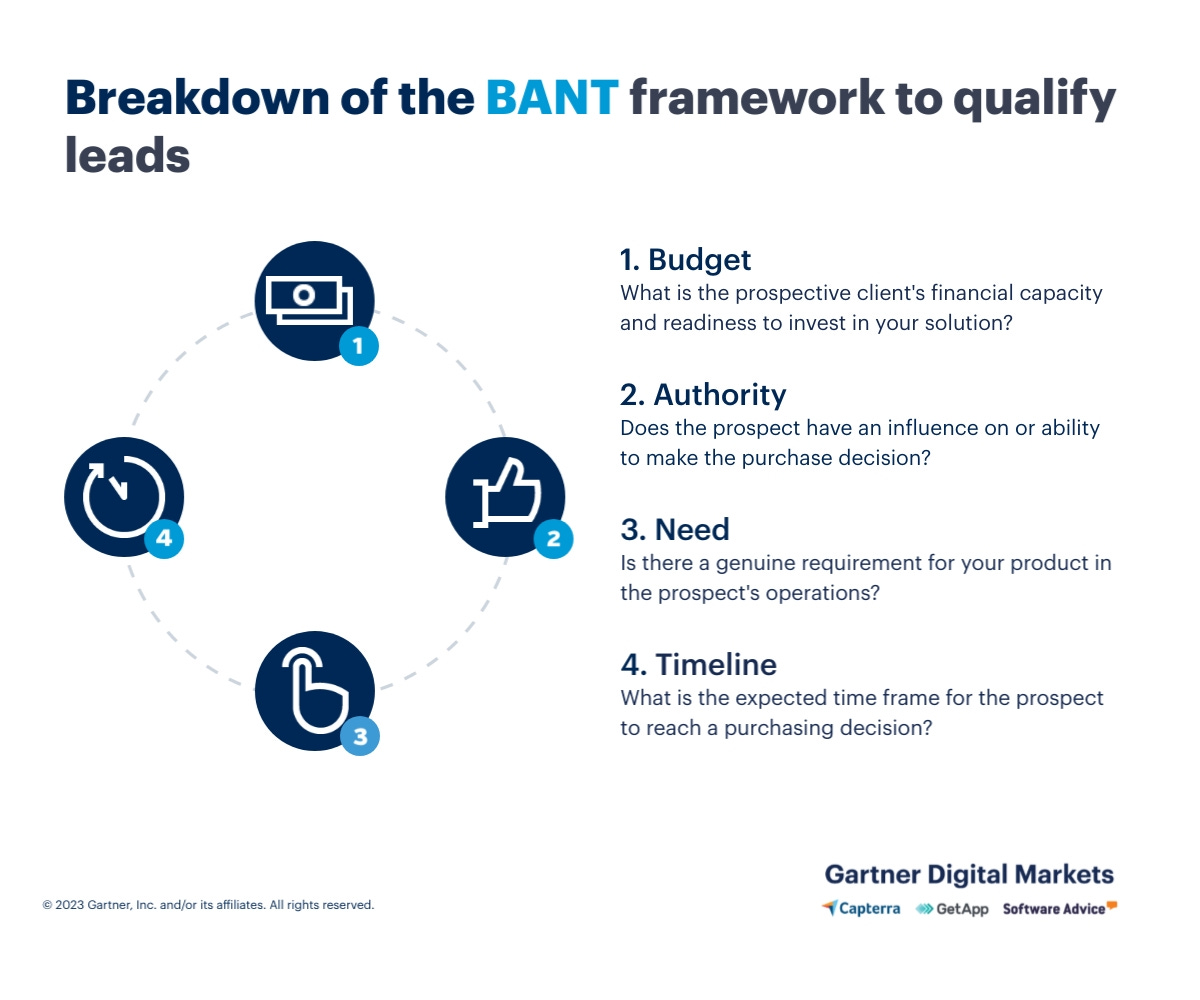
A standardized playbook from business can help, especially when you’re dealing with an informal process on the other end. Do your ideal client profile mapping. Do your qualification. Apply a BANT framework (Budget, Authority, Need, Timeline). It honestly helps. And if this is all new to you, don’t worry!
I have a downloadable guide here with what these terms mean and how to apply them.
Other things we can take from business: do pilots or use refundable deposits to get someone started. Make it easier for them to say yes with a smaller commitment, then build them up to something bigger.
But don’t do anything for free! I’ve learned from a lot of heartache that something purely free without any clear mechanism to convert to paying will remain free. I always ask for a card to be put down or an MOU to be signed that describes how much things will cost. Without that, it’s possible for a prospect to work with you without any intent of actually converting into a paying client. (There are some free-to-paid models out there, but make sure you know that going in and have a clear theory of how it will convert.)
Business Development Isn’t a Dirty Word
When I first heard “Business Development” used in a serious way, I thought to myself, these assholes.
Now I know that it’s just the truth.
I’m in the middle of it right now for Chorus. We’re launching a new enterprise-tier product and going to market with a whole new sales motion.
So I needed to do some business development. I started by making a list of over 500 nonprofits. I developed qualification criteria to determine if they might be a potential customer. In Chorus’s case, our qualification criteria are that you have an email list over a certain size and an annual budget over a specific threshold. Then I made sure each nonprofit met those criteria by looking at all of their 990s.
After whittling my list down just to qualified nonprofits, I tried to figure out who a potential champion might be. This is the person I’d be reaching out to first who would see clear value from our product and would be excited to use it, usually a director of digital or director of marketing. I used LinkedIn to map my relationship to that person. Then I asked my first degree connections for a warm intro to the potential champion with a double opt-in sequence. I’m already out of breath, and that’s just to get an initial meeting on the books!
But here is the thing. Every single piece of this is scripted out, systematized, and organized. I have templates for every email, every meeting, and even for quickly qualifying a lead. I can check each stage of my funnel to see if I’m not converting as many targets as I should between stages.
Developing a sales motion modeled on business best practices is a good move if you’re looking to build your business. If you’re satisfied with your current roster of clients, then you don’t need this. But if you want to grow, then I suggest embracing business development in the way businesses all over do, and everything that entails. To get started, here’s a free downloadable guide.
Lean Start-Up Principles
There is a methodology popular in Silicon Valley called “the lean startup.” Like anything, there are some points I took from it and others I didn’t.
I think it applies to independent consultants because we have to be lean. It’s usually just us. Staying lean means saving our precious time. It means not wasting money that is otherwise our take-home income.
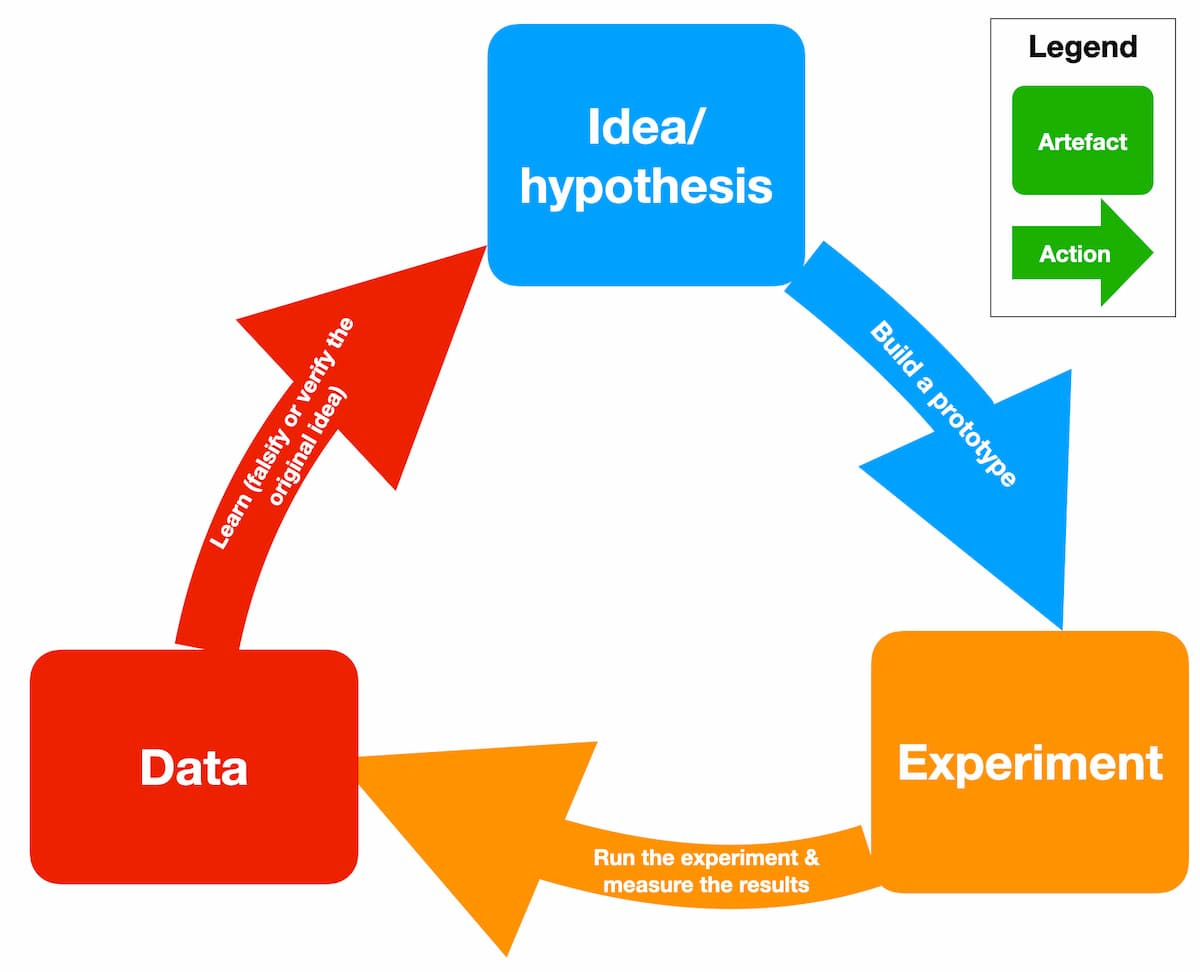
So here is a good lesson from lean startup methodology: the idea of an “MVP” or minimum viable product.
An MVP is a usable version of something you want to sell. It’s not the Cadillac version with all the bells and whistles and fancy design. The reason to start with an MVP is that you can determine if there is demand for yoru idea before committing lots of resources to scaling it.
Let’s say you have an idea for a new offering: a package of 6 daylong, guided strategic planning meetings over 3 months. My instinct coming from the nonprofit world would have been to develop a microsite to advertise this new service in my consulting business. I would have crafted an elaborate slide deck and one-pager to use to market it. Before selling it to anyone, I would have assiduously plotted out every one of the six daylong meetings with agendas, talking points, and slide decks.
The problem is in investing this degree of resources into an idea that it’s possible no one would want. Or maybe they’d want parts of it, but not other parts.
By starting out with an MVP, I can validate demand before over-investing resources. We do this all the time with Chorus, as do most software companies. I encourage independent consultants to do the same.
Product-Market Fit is What Matters
This is the big one. There are a few key questions that I realized I needed to answer for my independent consulting business:
Wo is my audience and market segment?
What pain points do they have?
What am I offering that alleviates those pain points? That’s your value proposition.
Am I solving a hard problem?
The way to figure out the answers to these questions is to listen to customers. It helps you understand pain points and value propositions. It also tells you if you’re delivering value to them. If you can do these things with rigor and discipline, and then execute on what you’ve learned, you’ll build a good business.
My friend Kent Peterson wrote a great newsletter about this very thing with me, and it came back to me as I was writing this today.

So why do we get off track?
I think it’s becasue we don’t do enough listening, so we don’t hear the real pain points. We don’t loop back to refine our audience and market segment in light of everything that comes later, so we end up selling to the wrong people. Or we’re not solving a hard problem.
There’s a framework from Sequoia Capital that I found useful. They talk about three archetypes of product-market fit. Each one describes a different relationship between the customer and the problem you’re solving.
Hair on Fire is when you solve a problem that’s a clear, urgent need for customers. The demand is obvious. Your challenge is to rise above the noise with a differentiated solution.
Hard Fact is when you take a pain point universally accepted as a fact of life, and see that it’s merely a hard problem that you can solve. Your customers have resigned themselves to living with the problem, so your challenge is overcoming the force of habit to show them a different way is actually possible!
Future Vision is when you enable a new reality through innovation. It sounds like science fiction to customers. Your challenge is getting them to believe in a whole new paradigm.
For independent consultants in the social impact space, I think most of us are in Hard Fact territory. Our clients have accepted certain realities about how things work. They’ve resigned themselves to certain limitations. Our job is to show them there’s another way.
But you have to know which path you’re on. You have to understand how your customer relates to the problem you’re solving. Then you can figure out what you need to do to reach them.
Finally: It’s Ok to Be Formal
I wrestled for a while with sounding too formal and stuffy when I jumped into the world of business. In the nonprofit space, everything felt a little rougher around the edges, but in a comfortable way, like the difference between a den where the kids can play and the formal living room no one was ever allowed in.
I have learned to embrace the formal. I write follow-up notes in response to meetings and send them out. When I am invited to submit a proposal, I do a formal version. Maybe everyone was already doing this and I was late to the party, but I make sure to write thank you notes and follow up with people who help me.
These things felt starched shirt to me coming from the nonprofit world. They felt corporate in a bad way.
But they work. They show respect for people’s time. They create clarity and prevent misunderstandings.
This is what I’ve learned from spending time in the business world. Some of it felt foreign at first. Some of it felt like it went against my values.
But most of it just works, and it works because it’s based on understanding people and solving real problems. That’s not so different from what we were trying to do in the nonprofit world all along.
This article comes at such a great time, you're always so insightful. How do you see AI playing a role in standardizing procurement for smaller nonprofits without losing flexiblety?