


I’ve been thinking about shot diets lately.
There’s a piece in the Wall Street Journal about Victor Wembanyama, the basketball player who’s seven-foot-four and can do basically anything on the court. The story isn’t about his talent though. It’s about what he stopped doing. He used to take all these three-pointers, firing away from twenty-five feet out like he was Stephen Curry. He was decent at it. But this season he cut those attempts in half and started punishing people near the rim instead, where his actual advantage lives. They call it his “shot diet.”
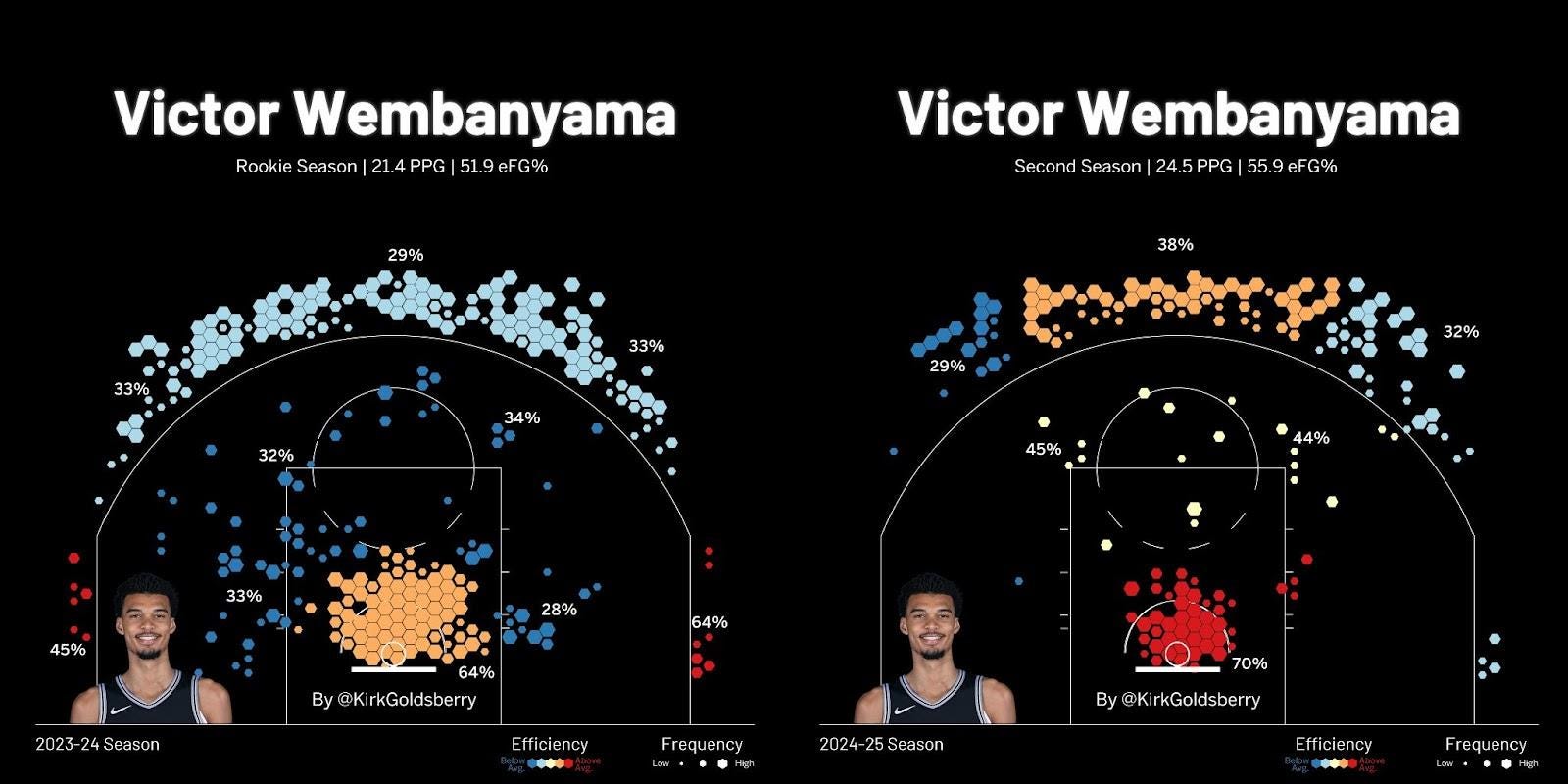
The concept stuck with me because I think we’re all working on some version of a shot diet as independent consultants. We can technically do a lot of things. We probably have done a lot of things. But the work is figuring out where we actually create the most value, where our advantages really live, and then committing to that instead of spreading ourselves thin trying to be everything to everyone.
(Hat tip to my friend Clayt Freed for sharing the original article!)
Conference Season is Coming
I get asked often by independent consultants which conferences deliver the most value. Here are the 6 I’m doing in 2026.
We’re going back to Bridge again next year (7/29-7/31/26 in National Harbor, MD). We’ve gone the last couple years and come away with good leads each time, but I want to do better than just showing up. I submitted a bunch of session proposals for 2026 because I think that’s where the real value is.
The day before Bridge is BridgeTECH (7/28/26 also in National Harbor), which is specifically for nonprofit technologists and fundraisers focused on tools and tech stacks for digital fundraising. It’s a focused, high-quality gathering put on by the topnotch folks from NonProfit Pro.
Netroots Nation is on the calendar for June 4-6 in Philadelphia. Going back this past year felt completely different from the first time because I actually knew people. That’s the thing nobody tells you about conferences when you’re starting out. The first year you’re collecting business cards and having surface-level conversations. The second or third year, you’re continuing conversations from last time. That’s when it starts working.
We’re also doing NTC in Detroit March 10-13. We’re trying a different approach this time, more focused on networking with specific people rather than trying to work the whole room. We’ll only have a table for one day, so the plan is to reach out ahead of time and actually set meetings instead of hoping for serendipity.
NonProfit POWER in Baltimore is our most expensive line item, but the audience is so qualified and the structured networking actually works. We’re keeping that one the same as this year. Dates haven’t yet been announced.
And we’re adding TNPA Leadership Summit in San Antonio September 14-16, which gets us in front of senior nonprofit leaders who run large direct response and digital programs. I looked at last year’s sponsor list and it’s basically all the orgs and agencies we want to be talking to. I’ll report back!
Meetups in Real Life
I am organizing something new this year. Small, informal meetups for consultants and changemakers in DC, Boston, and NYC. Just a chance to be in the same room with people doing similar work.
Every month we host an optional zoom where independent consultants come together to learn from each other, share what’s working, offer advice when something isn’t. It’s become one of my favorite parts of the work, but there’s something different about being in person. I’m looking forward to these meet-ups.
If you’re interested in joining the monthly calls, let me know. We’ll be welcoming new members in January.

The White Paper
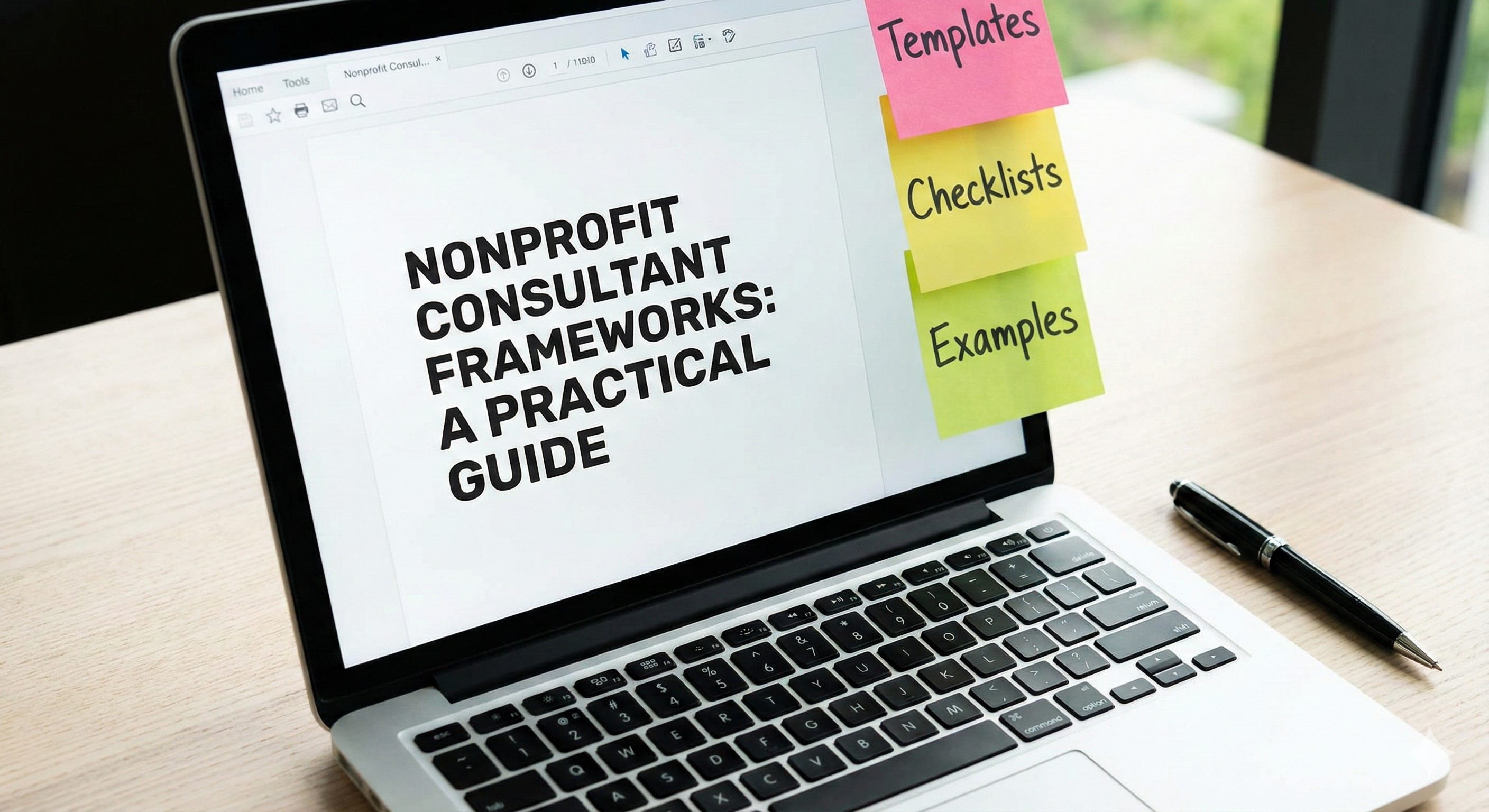
The big project for early 2026 is a white paper we’re creating with a group of independent consultants. We kicked it off in November with outline refinement and section assignments. Now we’re in the writing sprint through early January.
The idea is to build practical frameworks and tools for nonprofits to use when working with independent consultants. Templates, checklists, examples. Things you can adapt for your own context instead of starting from scratch every time, and on the whole to make the nonprofit-consultant relationship more fruitful for everyone.
The plan is to have it ready to launch in February with all the resources available open-source, probably on a microsite. I’m excited about this partly because writing with other people forces you to be clearer about what you actually know versus what you think you know.
What I’ve Been Reading
I read this long piece in the New York Times about masculinity and connection. It was about how men are taught from childhood to shut down their emotional range, to replace spontaneity with control, until eventually many of them can’t even name what they’re feeling anymore. The writer described it as losing access to language itself.
There’s a version of that happening in a lot of professional spaces, I think. We learn the acceptable vocabulary, the right way to position things, what’s safe to say and what isn’t. And after a while, that careful curation starts to feel like the only way to communicate. You forget what you actually think underneath all the professional packaging.
I’ve been trying to notice when I’m doing that. When I’m reaching for the consultant-speak instead of just saying what seems true.
I also went down a rabbit hole with this article from Compact about a generation of professionals who entered their fields right as the doors were closing in ways they didn’t expect. It’s about white men specifically, but the broader point resonated: how it feels to do everything right according to the old playbook only to discover the rules changed while you weren’t looking.
A lot of us went independent not because we dreamed of entrepreneurship but because the institutional paths we expected to be there just weren’t. Or they were, but not for us, not anymore, not in the way we’d planned. There’s grief in that. There’s also freedom once you stop trying to fit into structures that aren’t working anymore.
The last thing I read that stuck with me was this New York Times piece about voters who were part of Obama’s multiracial coalition shifting right. Not because they suddenly became conservative on every issue, but because the institutions they’d counted on kept letting them down. The message of hope and progress felt increasingly disconnected from their actual lives, and they needed someone to blame for the gap between what they were promised and what they got.
I think about that dynamic a lot in our work. Much of nonprofit communications is still built on that 2008-era optimism, but the people we’re trying to reach have already moved past that story. As you know if you’re a regular reader of this newsletter, I wrestle often with whether we’re solving real problems or just making ourselves feel better about trying.
Into 2026
I am not a new years resolution-maker, but I am thinking about my own shot diet. About doing less but doing it better. About the difference between being busy and being useful. About building something that lasts instead of just chasing the next thing.
Thanks for being part of this with me. I will send one newsletter next week, then back to the twice weekly schedule in the new year. Happy holidays!