


Hi there,
A few years into my independent consulting career, I noticed something that really surprised me. I was taking less vacation than I used to.
Overall, my work-life balance was so much better. You’ve all heard the many stories shared via this newsletter of how most independent consultants find more time during an average day to take a walk, hit the gym, or do a midday load of laundry. Remote working and work-from-home made this possible for more office workers, but independent consultants got an even bigger share than average.
But there is something different about vacation. It can recharge your batteries and help you gain insight or clarity that even the most well-balanced workday cannot. So finding time for vacation is really important.
And the right kind of vacation also matters! Unfortunately, a big vacation delivers the goods in completely different way from a one week vacation. Big means length of time. And I say “unfortunately” because a big vacation is hard to come by for most people. Acknowledging the luck and privilege that comes with being able to take a big lengthy vacation, I encourage you to take one if you can. Though being an independent consultant makes it harder to do, in my experience.

My (highly scientific) vacation scale
1 week
Recharge: ~0% — I don’t truly detach in the first 7 days, so a one-weeker becomes a sprint. I’m trying to pack so much in. It means the days are full of activities, socializing, and movement. But by trying to squeeze everything out of that week, I have little time for rest or reflection.
Fun: up to 100% — memories for days. I’ve done a week where I hit Yellowstone and Grand Teton, and I did so many amazing hikes and backcountry overnights. I saw all the major sites at both of these amazing parks. I woke up early and went to bed late every day to get the most out of that week, and it was so fun!
Insights: sporadic — a bolt might strike, but you can’t count on it
Return to work: Medium — not buried because there hasn’t been enough time for a deluge of stuff, but usually I am just as tired as when I left for vacation because I didn’t recharge at all.

2 weeks
Recharge: ~25% — You don’t have to cram as much into 2 weeks, so there is more downtime. But I often try to do 2 things in my 2 weeks. Once, I did Glacier National Park for a week, then Olympic. It was awesome, but I had a lot more travel and getting used to new places, so less time to recharge the batteries.
Fun: up to 100%. You can have a blast in 2 weeks. You can travel pretty far and eat a major time zone change and still have plenty of time to enjoy yourself.
Insights: variable, sometimes up to 75% — there is usually enough time for writing and deeper conversations.
Return to work: High — Everyone waits for me to come back from a two week vacation. They hold whatever they need me for, and then I have to wade through it. This is the vacation where it’s amazing while I’m on it, but coming back from it almost makes me regret taking it.
3 weeks or more
Recharge: up to 100% — Three weeks (or more) feels like an eternity. With three weeks, you can take a few days to do nothing. You can *waste* time without feeling the loss. You can pursue new hobbies or spend a few days at home before traveling.
Fun: ~80% — I have less fun on a long vacation, and that’s the trade-off. I am not trying to cram as much in, nor am I filling up the time with huge activities. For me, more recharging means less fun
Insights: up to 100% — I find insights and clarity when I have time alone in nature or in repose. I actually think you need a little boredom to breed creativity. You need ample time on a vacation to feel ok with allocating some of it to nothing. And that nothing eventually turns to gold!
Return to work: Low — This is such an underrated aspect of a long vacation. Everyone moves on! I’m gone for so long that no one can wait for me to come back. t’s a little hard to get back up to speed, but that’s ok.
I’ve made the case that a 3 Week or more vacation is so important and so useful. And that’s the problem. I was taking less and less of them in my independent consulting life.

Why solos take fewer long breaks
As an employee, I had PTO and a cultural nudge to use it. As a consultant, there’s no vacation day accrual counter reminding you to rest. Every day off looks like lost income. Dependability is part of our value prop. Being unavailable can feel like breaking the promise.
For a while, I would go places but not take vacation. Which is also how it feels being a parent to a toddler. A good friend says at this age, there are no vacations, there are just trips. So true – same with independent consulting.
I would wake up early and work for a few hours until everyone else woke up, go on an adventure while monitoring my email, and then reply to urgent stuff after dinner. I’d be on Zooms and clients would wonder where I was, because I hadn’t shared that I was traveling. I met every deadline and hit my weekly hours commitments in Asheville, San Francisco, and Miami.
But after a while, I noticed that my batteries had gotten perilously low. I wasn’t taking even good 1 weekers anymore. I needed to reclaim my vacation.
The turning point: a month in Alaska
A dream window opened: four weeks in Alaska. But it required talking to clients about it and actually vacating. I had a few longer project-based clients and several open-ended monthly retainers. I thought they would all end their contracts with me. Why keep working with a consultant who wasn’t available?
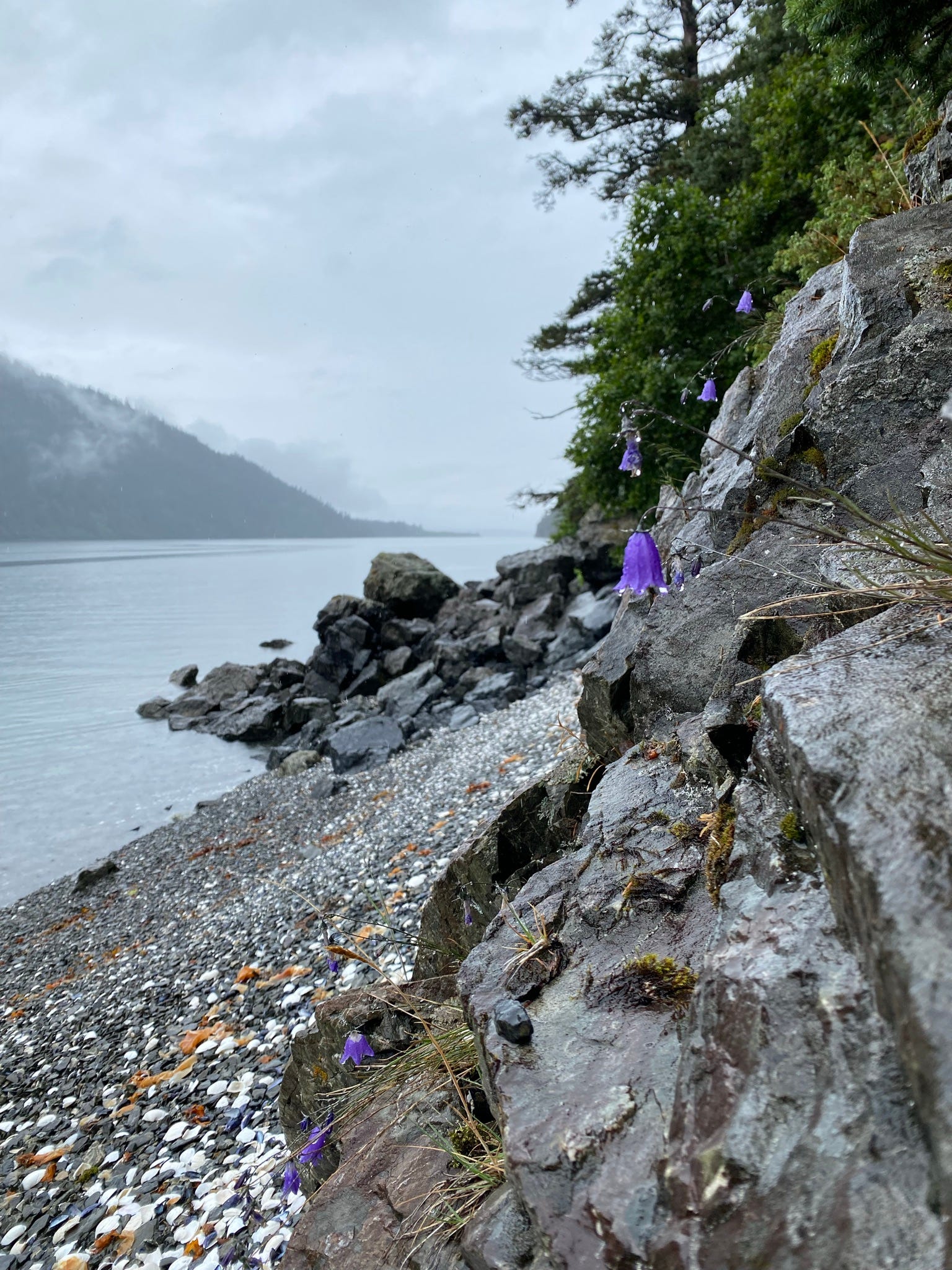
I was so nervous and roleplayed those conversations many times. I was ready to make concessions, too, like doing more hours the month before vacation and the month after. Even setting aside a couple days during the month to handle any important incoming.
Finally, I was ready to talk with my clients about it. I got the same response nearly verbatim from every single one:
“I’m so happy you’re doing this. Have an amazing time. Send pictures.”
No one fired me. What they said really stuck with me, too. I had done an incredible job for them so far. Why would they fire someone who was consistently delivering? It wasn’t ideal not to have me for a month, but they’d rather have me back than not at all.
It was a great reminder of something I’ve hit on a lot in these newsletters, which is that our track records our great assets, and providing exceptional client service is our best differentiator.
I didn’t get paid for that month. I had to think about how it would affect my family’s finances. But getting to fully recharge my batters and obtain needed insights about my work and life was worth it.
HOW-TO: Take a real 3-week vacation as a solo consultant
👉 Get the Vacation Planning Kit (templates)
1) Pick the window & “coverage posture”
Choose a 3-4 week window 8–12 weeks out.
Pick your posture:
Hard break (recommended): no meetings, no deliverables, no Slack.
Emergency lane: one pre-scheduled 90-minute window mid-trip for true emergencies only.
Build a cushion: save 10–15% of the prior two months’ revenue, even just to give yourself psychological permission.
2) Re-scope 6–8 weeks ahead
Move critical deliverables left (done before you go) or right (start after return).
For retainers, make the month “light” and carry hours to the following month (document it).
Clear risks now: data access, reviews, dependencies.
3) Communicate like a pro: see below for templates
Email #1 (6–8 weeks out): announce dates + plan; show pre-/post- milestones.
Email #2 (3–5 days out): status recap + what happens while you’re out + return date.
Auto-reply: clear and kind; define what truly qualifies as urgent.
👉 Get the Vacation Planning Kit (templates)
4) Readiness checklist (send Friday before)
Deliverables sent & acknowledged
Calendar blocked; invites shifted/declined
Emergency lane (if any) scheduled
Access granted to needed docs/dashboards
OOO set (email/Slack/voice)
One-page “Where Things Stand” shared (status, risks, next dates) —> this is really important!
Billing/renewals clarified for OOO and return months
5) Re-entry plan (book now, not later)
Day 1: inbox triage (90m), client pings (30m), roadmap scan (60m)
Days 2–3: one working session per client; ship one quick-win deliverable
Avoid workshops/presentations in first 72 hours
6) Budget math you can live with
Aim for net-neutral over three months:
Month-1: +10% billable
Vacation month: 0%
Month+1: +10–15%
Retainers: include a line in Email #1 — “July will be a light month; we’ll roll 8 hours to August.”
7) Optional: an “Emergency Lane” protocol
Define what qualifies (e.g., regulator deadline, funder presentation).
Pre-agree on one time block and a cap (≤ 90 minutes).
Everything else defers.

Closing
If you’ve been living on “trips” instead of vacations, consider this your permission slip. A three-week break is possible as a solo. And in my experience, it pays for itself in energy and clarity.
I hope you use this newsletter to plan a big trip for yourself. Send pictures!