

I was thinking about the client engagements I have had with a nonprofit that failed and if there was a common thread between them.
First, what does it even mean for the client engagement to be a failure? I’ve never been fired, and most of my clients have tried to extend my contract or hire me back later. These are not the markers of failure! But there have been some engagements where I am still nagged by a feeling that I didn’t deliver the very best I could have to the client.
In one case, I led a big technology implementation for an international nonprofit, along with a significant restructure of their internal financial reporting. My contract ended with both projects in motion but unfinished, and I don’t have a good sense of how they turned out. For another organization, my job was to build a business model tool for costing out bids. It was kind of a prototype, and it worked, but it was janky and not as flexible as it should have been. I still wish I could go back and build version 2.0.

In these cases and the others I’d count as failures, or at least as less successful than I wanted, the common thread is that my contract ended before I felt the work was complete. If I had more time, I am confident I could have seen the technology implementation through or built version 2.0 of the business model tool. But the timeline in the contract didn’t match the timeline of the project. I even extended one of those contracts by another month to try to reach the finish line (an extension I’d have counted, at the top of this piece, as a marker of success), and the work still wasn’t done when I rolled off.
So why couldn’t I get the work done in the allotted time? There is another common thread: inability to get time and attention from the people I needed on the client side. Reviewing my failures, I see a lot of dead weeks, weeks spent trying to book a call with a decision-maker or waiting for a key stakeholder to review my work and give feedback. I couldn’t move the project without them, so it languished until a deadline came into view and a last burst of energy carried it as far as it was going to go.
Is this the fault of the client? No, I don’t attribute this failure the client at all. My therapist would say I’ve never met a problem I didn’t blame myself for, but I really think this is one to lay at my own feet!
All independent consultants in the mission-driven or social impact space know our clients are totally underwater. They don’t have the big budgets to hire a fleet of expert specialists. Instead, our clients are often the ones covering fundraising, program, staff management, marketing, public relations, and more, and they’re usually learning some of these responsibilities on the job.
They hire consultants because there isn’t another option. There usually isn’t budget to hire a full-time person, and if there is, there’s no time to train one. Our clients need solutions now, not more problems, and I was unwittingly creating problems for them: another drain on their attention, another meeting they didn’t have time for, another stressor when what they wanted was to stop thinking about it.
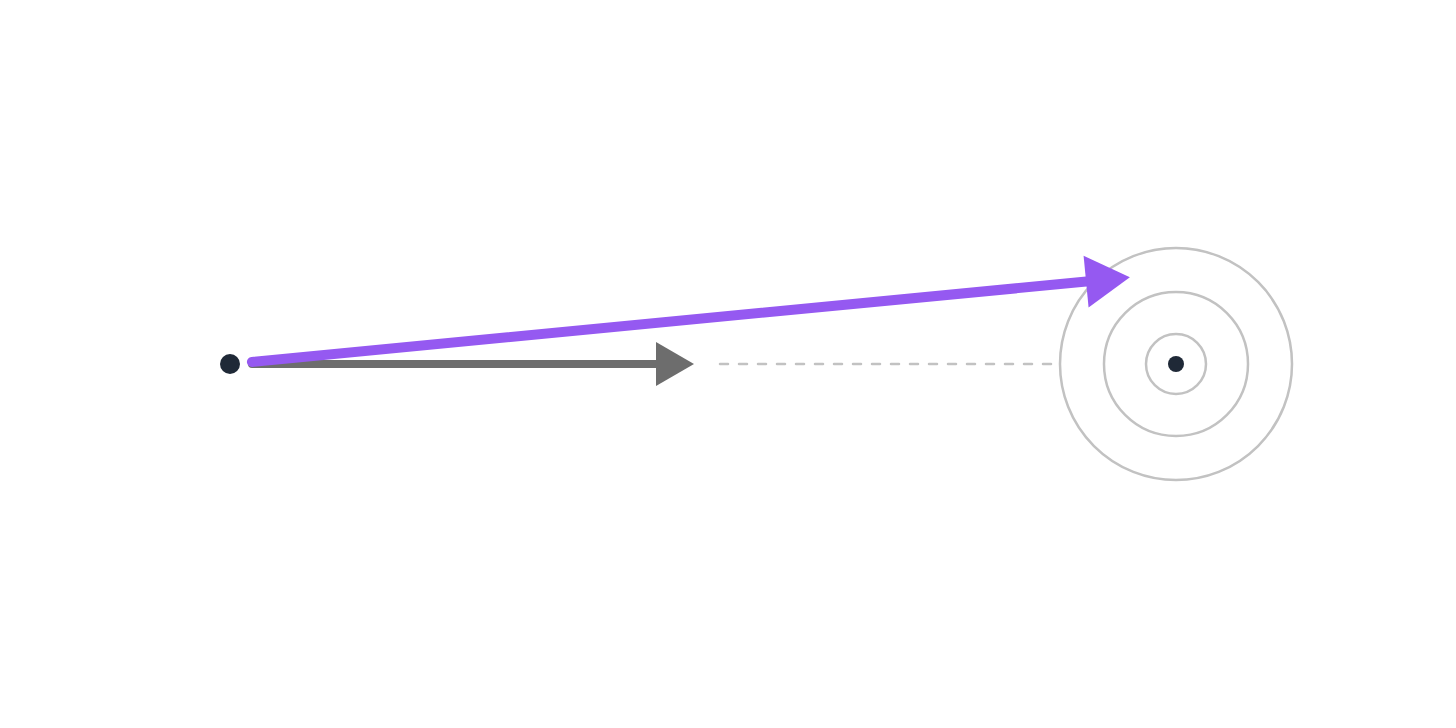
I wish I had taken those projects further on my own. I could see what I thought should be done with them, and I could have kept working, logging my assumptions as I went so the client could revisit them later. I wouldn’t make a major decision without client sign-off, to be clear. But I could have delivered an A+ finished product. Perhaps that would have been off by a few degrees, but I suspect my clients would rather have a finished product that’s slightly misaligned than a perfectly aligned one that isn’t finished. I have evidence for this: on occasion I’ve built the whole thing for a client without involving them at every step, and they’ve always been thrilled.
What stopped me, I think, was fear of failure. What if the finished thing didn’t thrill them? Then my failure would be made apparent to everyone, and I would have had to extend the contract or leave them with something they didn’t love. Without really meaning to, I traded a failure my clients could see for one they couldn’t, and the one they couldn’t see was worse for them. The only choice I ever had was which kind of failure to experience, and I picked the one that protected me. A visible failure gets fixed: the client says that’s not it, and you spend a week making it right. The invisible kind never gets fixed. Lesson learned, even if it’s a hard one to act on in the moment.